
Solution
Refrigerated Cargo Transport (REEFER CARGO)
Solution
Refrigerated Cargo Transport (REEFER CARGO)
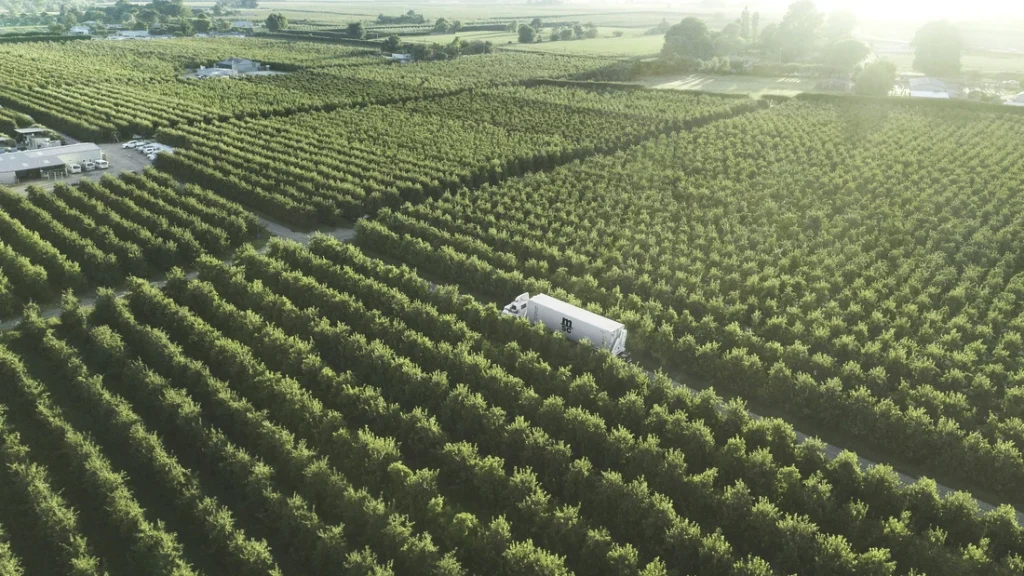
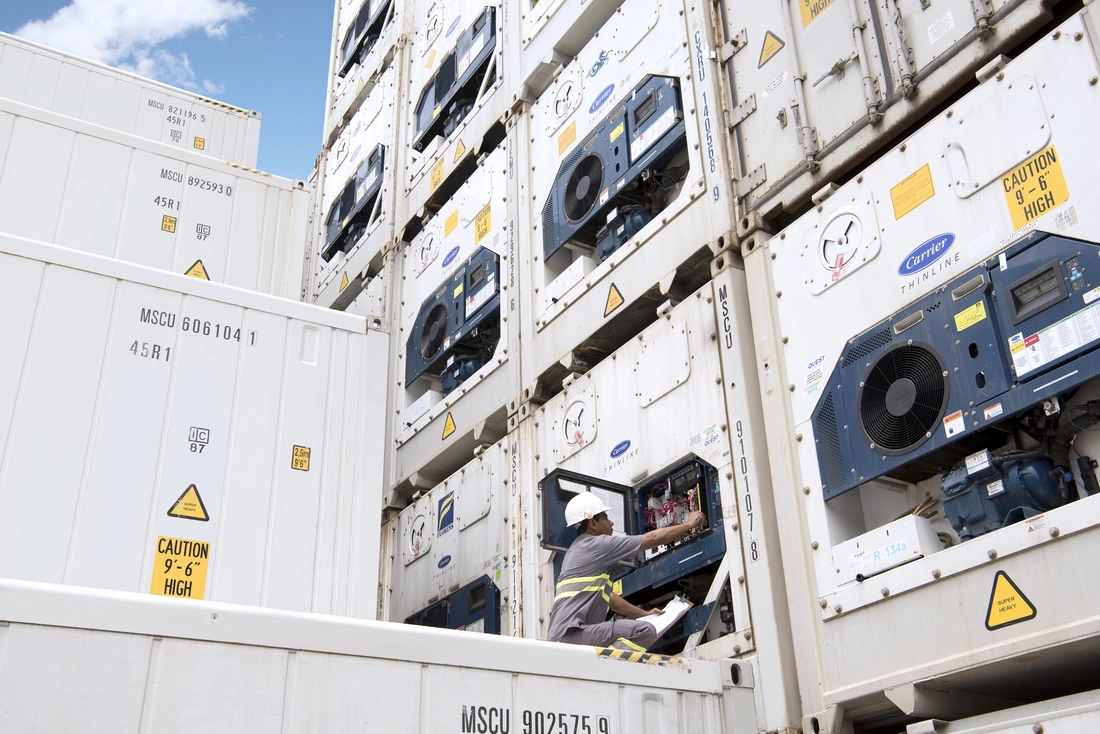
Our team of refrigeration experts will help you prepare your refrigerated shipment. All our containers are equipped with temperature, ventilation and humidity controls, along with 18 metres of electrical cable and sealable drains where required, ensuring optimal air circulation.

Refrigerated Goods

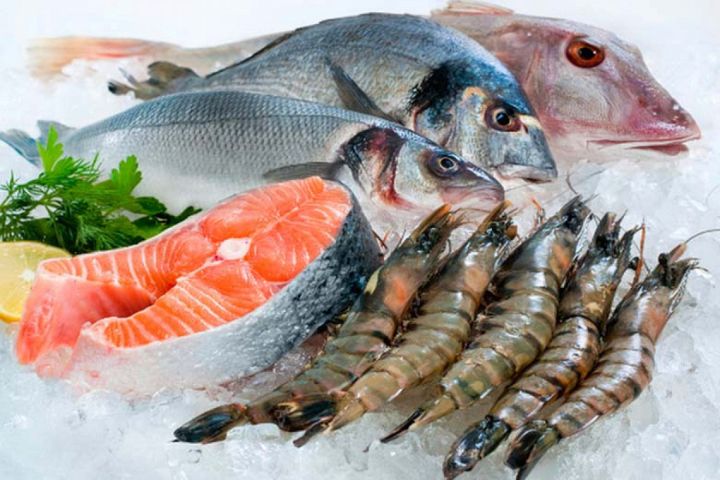
Frozen Goods
Global Refrigerated Shipping Specialist

Advanced Technology
Our partner fleets are equipped with advanced cooling and dehumidification technology, including Controlled Air (CA) Technology and ventilation installations to ensure airflow. We perform thorough pre-voyage inspections (PTIs), followed by constant monitoring of shipments throughout the journey.
Strong Cooperation with Leading Partners
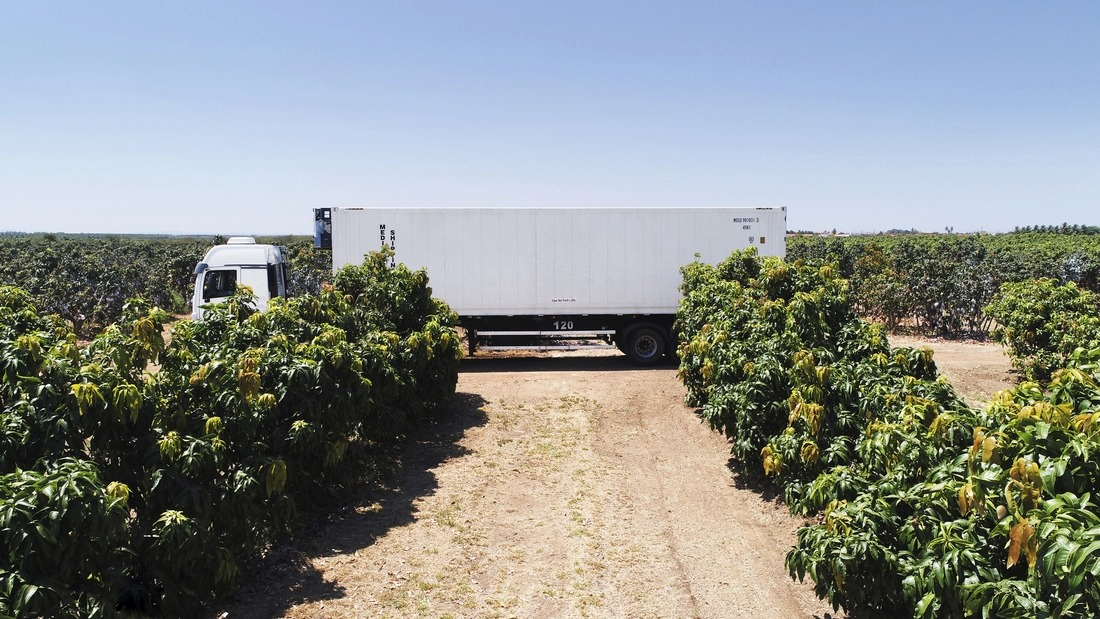
Collaboration is key in cold chain logistics, so we work closely with our customers to keep goods temperature controlled from pick-up to delivery. Depending on your specific needs, we create bespoke solutions that combine our extensive road, rail and water network with weekly and recurring shipping services.

Caring for People and Planet
We believe that cold chain technology can make a huge difference in improving the quality of food supplies and reducing food loss around the world. We & our partners also invest heavily in the latest green technology, systems and processes to help achieve cleaner seas, land and goods.
Want to know more about
our cold chain service?
20' Standard Container
Container Size - FR
| Length | Width | Height |
| 5.45m | 2.29m | 2.16m |
Container Specifications
Cubic Capacity: 28.3 m3 Maximum Payload: 27,540 Kgs
Tare Weight: 2,480 Kgs Maximum Gross: 30,480 Kgs
40' Standard Container
Container Size - FR
| Length | Width | Height |
| 11.59 m | 2.29 m | 2.4 m |
Container Specifications
Cubic Capacity: 67.9 m3 Maximum Payload: 30,260 Kgs
Tare Weight: 4,600 Kgs Maximum Gross: 35,000 Kgs
Discover the ideal conditions for transporting frozen goods?
Keeping refrigerated goods fresh depends not only on the temperature inside the container, but also on humidity control and fresh air circulation.
What are the recommended temperatures for reefer containers? Different types of cargo require different conditions; for example, blueberries are typically shipped at -1°C, while bananas can stay fresh at 12-13.5°C. To learn more about recommended conditions for specific cargo, download our reefer packing guide.
……
Temperature
Each product has an optimum storage temperature – the ideal condition for transport. This is usually the lowest temperature the product can withstand before chilling or freezing damage occurs.
Chilling Injury:
Tropical and subtropical produce can suffer physiological damage when exposed to temperatures below freezing. The most common example is browning of banana peels. Often this damage only becomes apparent when the produce is brought back to room temperature.
……
……
Freeze Injury:
Products that can withstand cold temperatures can still be damaged when they reach their freezing point. Here, the cell structure of the product is disrupted due to the expansion of water during freezing. This can cause water to seep into the product and cause structural damage.
Humidity
Humidity plays a vital role in maintaining optimal conditions for cargo during transit. Our world-class reefer fleet is equipped with advanced dehumidification technology, which protects fresh cargo from drying out or becoming excessively dehydrated.
Note:
We can only reduce the humidity in the container, not increase it.
……
……
Ventilation
Ventilation helps protect frozen goods from damage caused by the buildup of carbon dioxide (CO₂) and ethylene .
- If too much carbon dioxide builds up in the container, the internal tissues of produce, such as pears and apples, may become discolored.
- Ethylene is a natural hormone produced by all fruits, vegetables, and flowers. While ethylene is necessary for fruit to ripen, it can damage other commodities, such as green vegetables.
Our reefer containers are equipped with ventilation systems, allowing fresh air to circulate freely without increasing humidity in the container.
Discover the ideal conditions for transporting cool goods?
To keep your cool-storage goods in top condition during the journey, follow these steps.
Fresh Goods Packaging Requirements
Pallet stacking height
Frozen goods on pallets must be able to be stacked to a maximum height of 2.4 metres .
Packaging material
Packaging materials must be moisture resistant and allow vertical airflow through the crates to maintain proper temperature.
Corner support
The corners of the crate must be securely fastened to the pallet.
Precise alignment
The boxes must be stacked in a straight line to ensure each box is supported at all four corners .
Air vent alignment:
Vents on cargo boxes must be aligned so that air can circulate easily without obstruction.
Ideal Temperature For Refrigerated Goods
Before shipping, pre-cool your goods to the optimum temperature before loading them into the container. This will help minimize the impact of outside temperatures on your products during transit.
Note: Currently, there is no technology that can stop or reverse the aging process of perishable products. However, our reefer container technology will help slow down this process and maximize the shelf life of your goods.
Three Main Factors Affecting the Temperature of Goods During Transportation
-
Outside temperature: Temperature from the outside environment penetrates into the container during loading and unloading.
-
Cargo temperature before loading: The temperature of the goods at the time before being loaded into the container.
-
Container Ventilation: The ventilation system inside the container ensures stable and even air flow.
Keeping Goods Frozen
In Top Condition
Ensuring that your frozen goods arrive in perfect condition is a process that requires precision. With years of experience shipping frozen goods around the world, The Silk Road understands the recommended conditions, loading procedures, and infrastructure at local ports. We are committed to making the frozen goods shipping process as simple and efficient as possible.
……
Create a solid block of goods
When transporting frozen products, the goods inside the container must be stacked in a solid block , leaving no gaps between the boxes and the walls of the container. This ensures that air circulates evenly around the block of goods, helping to maintain a stable temperature.
Freeze goods before shipping
Goods must be pre-frozen at the correct temperature before being loaded into the container to ensure quality is maintained throughout the journey.
……
……
Maximum height compliance:
The height of the cargo must never exceed the red load line inside the container.
Close the ventilation system
When transporting frozen goods, ventilation holes must always be kept closed , and humidity control should be turned off to maintain proper temperatures.
……
……
Moisture-proof packaging:
Packaging must be able to withstand moisture and allow vertical airflow through the cargo to maintain proper temperature within the container.